One of the most common things I hear from new parents in the early days of breastfeeding: "I'm so hungry." And then, in the next breath: "But I don't know what I'm supposed to eat. Everyone keeps telling me different things."
One person says you have to drink milk to make milk. Another says avoid all dairy. Your mother-in-law insists you need to eat more than you can possibly stomach. The internet tells you to avoid cabbage, broccoli, beans, and onions because they'll give the baby gas. Meanwhile, you're so exhausted you can barely remember to eat at all.
Let me cut through the noise with what the evidence actually says.
The Most Important Thing: Eat Enough
Before we get into specific nutrients, let's talk about the number one issue I see in breastfeeding nutrition: undereating. Many new parents are so focused on eating the "right" things that they don't eat enough total food. Lactation is metabolically demanding—your body burns significant energy producing milk. Chronic undereating can reduce milk supply, compromise your energy and recovery, and affect your overall health.
The WHO recommends an additional 300-500 calories per day during breastfeeding, though this varies by individual. More importantly: trust your hunger. Breastfeeding increases appetite for a reason. If you're constantly hungry, that's your body telling you something. Honor it.
Some people find their appetite is lower while breastfeeding than during pregnancy—and that's fine too. Bodies are different. The goal is adequate nutrition, not a specific calorie count.
What You Actually Need
Protein
Protein is the building block of breast milk. You don't need enormous amounts, but consistent protein intake throughout the day supports both milk production and your own tissue repair (especially if you had any tears or a cesarean).
Aim for protein at every meal: eggs, fish, poultry, meat, tofu, tempeh, legumes, Greek yogurt, cheese. If you eat plant-based, pay attention to combining amino acids through diverse protein sources throughout the day.
Target: About 25g more protein per day than pre-pregnancy (roughly 65-75g total daily for most people).
Hydration
This is the one area where I see genuine issues. Many breastfeeding parents are chronically underhydrated, which can affect milk supply and contribute to fatigue, headaches, and constipation.
The "8 glasses a day" rule is a simplification. A better approach: drink to thirst, and watch your urine color—it should be pale yellow. Keep water accessible at every feeding station. If you feel thirsty, you're already mildly dehydrated.
Breastfeeding parents typically need about 3-4 liters of fluids daily from beverages and food. Breastmilk itself is about 90% water. The good news: caffeinated beverages (coffee, tea) in moderation are fine—only a small percentage of caffeine passes into breast milk, and moderate intake (under 300mg/day, roughly 2-3 cups of coffee) is considered safe.
Omega-3 Fatty Acids (DHA)
DHA (docosahexaenoic acid) is critical for infant brain and eye development. Breast milk DHA levels are directly influenced by your dietary intake—the more DHA you eat, the more your baby gets.
Food sources: Fatty fish (salmon, sardines, mackerel, anchovies),藻油 for plant-based diets, fortified eggs, walnuts, flaxseeds (though plant sources convert less efficiently).
If you don't eat fish regularly, consider a DHA supplement. Look for one specifically formulated for pregnancy and postpartum.
Iron
Postpartum iron needs remain elevated, especially if you had significant blood loss during birth. Iron supports your energy levels, immune function, and overall recovery.
The catch: many people enter postpartum with depleted iron stores, and iron absorption can be tricky. Vitamin C enhances iron absorption; calcium and tannins (in tea/coffee) inhibit it. Eat iron-rich foods with vitamin C-rich foods (bell peppers, citrus, strawberries) rather than with your morning coffee.
Food sources: Red meat, organ meats (if you eat them), lentils, beans, dark leafy greens, fortified cereals. Heme iron (from animal sources) absorbs better than non-heme iron (plant sources).
Calcium
"Drink milk to make milk" is one of the most persistent breastfeeding myths. Here's the truth: your body will draw calcium from your bones to ensure adequate calcium in breast milk if dietary intake is insufficient. This is why adequate calcium intake matters—not for milk production directly, but for your bone health over time.
You don't need cow's milk. The best sources are: dairy (if tolerated), fortified plant milks (soy, almond, oat), calcium-set tofu, sardines with bones, leafy greens (especially bok choy, kale, broccoli), and tahini.
Target: 1000-1300mg calcium daily.
Vitamin D
Vitamin D deficiency is extremely common, especially in people with limited sun exposure. Breast milk is naturally low in vitamin D regardless of maternal levels, which is why the AAP recommends supplementing all breastfed babies with 400 IU of vitamin D daily.
For you, adequate vitamin D supports immune function, mood regulation, and bone health. If you're not getting regular sun exposure, a vitamin D supplement (1000-2000 IU daily) is a good idea.
Choline
This nutrient is often overlooked but critically important for infant brain development. Breast milk is rich in choline, and maternal choline intake directly affects breast milk levels.
Food sources: Eggs (especially the yolk), liver, meat, fish, soybeans, Brussels sprouts, broccoli. Many people don't get enough choline, so consider a supplement if your diet is limited.
Foods to Avoid: The Short List
Here's a refreshing truth: there are very few foods you actually need to avoid while breastfeeding.
The Only Foods to Universally Avoid:
- High-mercury fish: Shark, swordfish, king mackerel, tilefish. These contain mercury that accumulates in breastmilk and can affect infant neurological development. Safe options: salmon, sardines, cod, light tuna (limit to 2-3 servings per week).
- Excessive alcohol: Complete abstinence isn't necessary—moderate, occasional alcohol (one standard drink, with feeding timing considered) is considered compatible with breastfeeding. However, heavy or chronic drinking is not. If you're drinking, wait until the alcohol clears your system (about 2 hours per drink) before nursing.
The Foods You May Have Heard to Avoid (But Usually Don't Need To):
Dairy: Only avoid if you notice a clear pattern of cow's milk protein sensitivity in your baby (signs include severe eczema, bloody stools, significant fussiness). Cow's milk protein sensitivity is real but relatively uncommon. Don't restrict dairy preemptively.
Gassy foods (cabbage, broccoli, beans, onions): These can cause gas in you, but the gases don't pass into breast milk. If your baby seems gassy, it's not because of what you ate—it's because their own gut is developing. Only avoid these if removing them demonstrably helps your baby.
Spicy foods: Some babies are sensitive to strong flavors in breast milk, but many are completely unbothered. Eat what tastes good to you.
Caffeine: Moderate caffeine is fine. Up to 300mg daily is considered safe. If your baby seems unusually fussy or isn't sleeping, you might try reducing caffeine, but you don't need to eliminate it preemptively.
Allergenic foods (peanuts, eggs, shellfish): Recent research suggests early exposure to common allergens through breast milk may actually help prevent food allergies. Unless your baby has a diagnosed allergy or you've been advised otherwise, there's no reason to avoid these foods.
The Food Sensitivity Question
So how do you know if something you're eating is affecting your baby? Here's a systematic approach:
- Notice a pattern: symptoms consistently appear within hours of you eating a specific food
- Remove that food for 2-3 weeks
- Observe: do symptoms improve?
- Reintroduce: do symptoms return?
- Only if both are true should you continue avoiding that food
Don't eliminate foods based on one or two incidents. Babies are inherently fussy; gassiness, mild rashes, and spit-up are normal. True food sensitivities show consistent, reproducible patterns.
If you suspect a food sensitivity, work with a pediatrician or allergist. Elimination diets without guidance can be nutritionally inadequate.
What About Weight Loss?
Many parents are eager to start losing pregnancy weight while breastfeeding. Here's what the evidence says:
Safe, gradual weight loss (1-2 lbs per week or about 0.5 kg) is considered compatible with breastfeeding and milk supply. More aggressive restriction can affect milk supply and your energy and recovery.
The "eating for two" myth leads many people to overeat during pregnancy, and some of that weight is stored fat that serves as an energy reserve for lactation. Breastfeeding itself burns calories. The combination of breastfeeding and returning to normal activity levels typically leads to gradual weight loss without intentional restriction.
If you want to actively lose weight while breastfeeding:
- Prioritize protein and fiber to stay satisfied
- Don't cut below 1800-2000 calories without medical supervision
- Weight loss shouldn't cause symptoms of low supply
- Be patient—your body grew a human and is feeding that human; it needs adequate fuel
Practical Eating: Making It Work
Stock Your Feeding Stations
Set up a station near wherever you typically feed the baby: a small table or basket with water, snacks, phone charger, book, remote, and anything else you might want within arm's reach. Breastfeeding sessions can be long—you shouldn't have to get up every time you want a sip of water or a cracker.
Easy Grab-and-Go Options
When you're feeding a newborn every 2-3 hours, elaborate meal prep isn't realistic. Keep accessible, nutritious options:
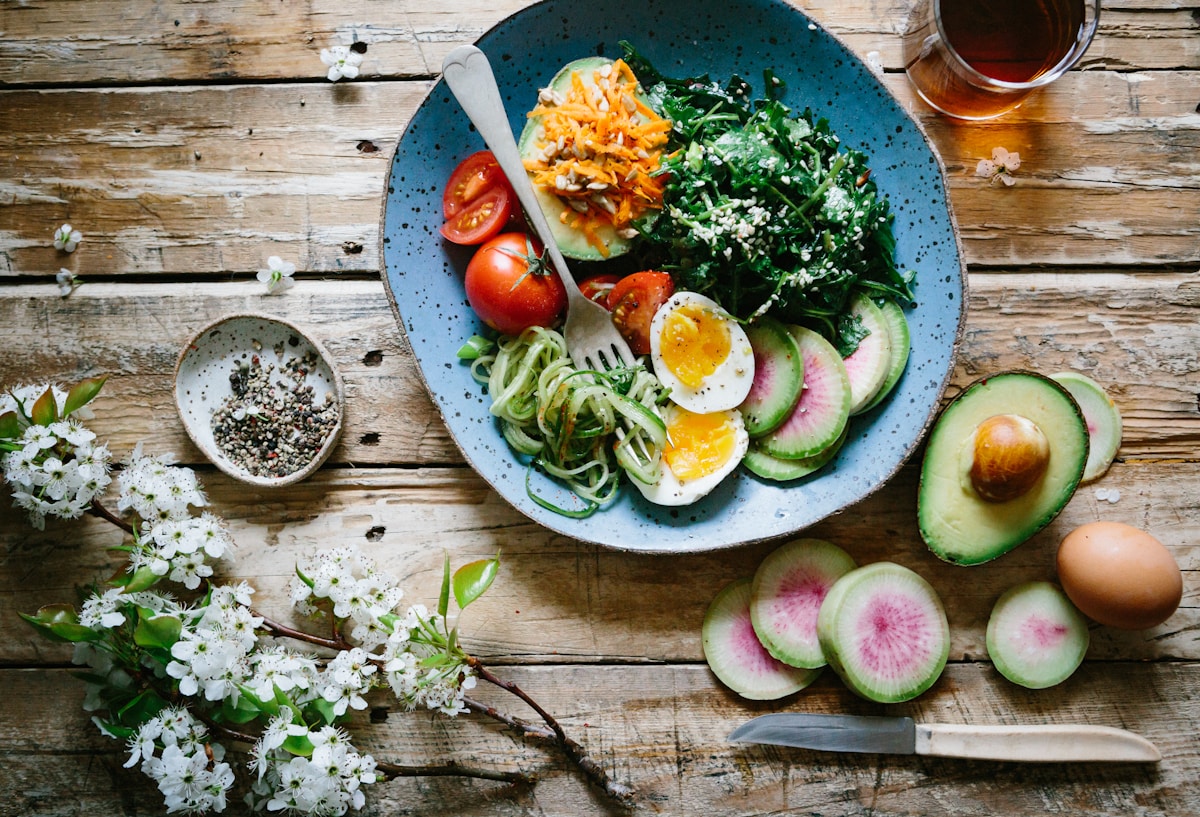
- Hard-boiled eggs
- Nuts and seeds
- Cheese and whole grain crackers
- Greek yogurt with fruit
- Hummus and cut vegetables
- Leftovers in easy-to-heat portions
- Overnight oats (prep jars on the weekend)
- Smoothies (throw in protein, oats, fruit, nut butter, and you've got a meal)
Prioritize the First Meal of the Day
After sleeping through the night (or waking to feed), your body needs fuel. A substantial breakfast or "brinner" (breakfast for dinner) can set you up better than grazed snacks. Think: eggs with toast and avocado, oatmeal with nuts and fruit, a veggie omelette.
Accept Help with Food
If people ask how they can help, a meal is one of the most welcome answers. Don't hesitate to:
- Let someone else cook
- Accept meal deliveries
- Use meal delivery services
- Keep frozen healthy options on hand
Consider a Postpartum Nutritionist or Dietitian
If you have specific health concerns, dietary restrictions, or a history of disordered eating, working with a registered dietitian who specializes in perinatal nutrition can be invaluable. They can help you optimize your diet without adding stress.
Supplements Worth Considering
While whole foods are ideal, supplements can help fill gaps—especially when appetite is low or diet is restricted:
- Postnatal vitamin: Designed for breastfeeding, covers most micronutrient bases
- Omega-3/DHA: If you don't eat fatty fish regularly
- Vitamin D: Especially if you have limited sun exposure
- Iron: Only if testing shows low iron; don't supplement blindly
- Choline: If your diet is limited
Check with your provider about any supplements, especially if you're taking other medications.
The Bottom Line
Breastfeeding nutrition doesn't have to be complicated. Here's the simple summary:
- Eat enough total food. Honor your hunger.
- Include protein at every meal.
- Stay hydrated.
- Eat a variety of whole foods. Colorful vegetables, whole grains, healthy fats, diverse protein sources.
- Don't restrict without reason. Avoid high-mercury fish and excessive alcohol. Everything else is generally fine.
- Take a postnatal vitamin to cover your bases.
You don't need to be perfect. You don't need a special breastfeeding diet. You need to eat enough, eat well enough, and cut yourself some slack while you figure it out. The stress of "eating right" is almost certainly worse for your milk supply than any individual food choice.
If you're struggling with nutrition, supply concerns, or feeding challenges, let's create a care plan that addresses your specific situation. A lactation consultant can also help you optimize both feeding and nutrition.